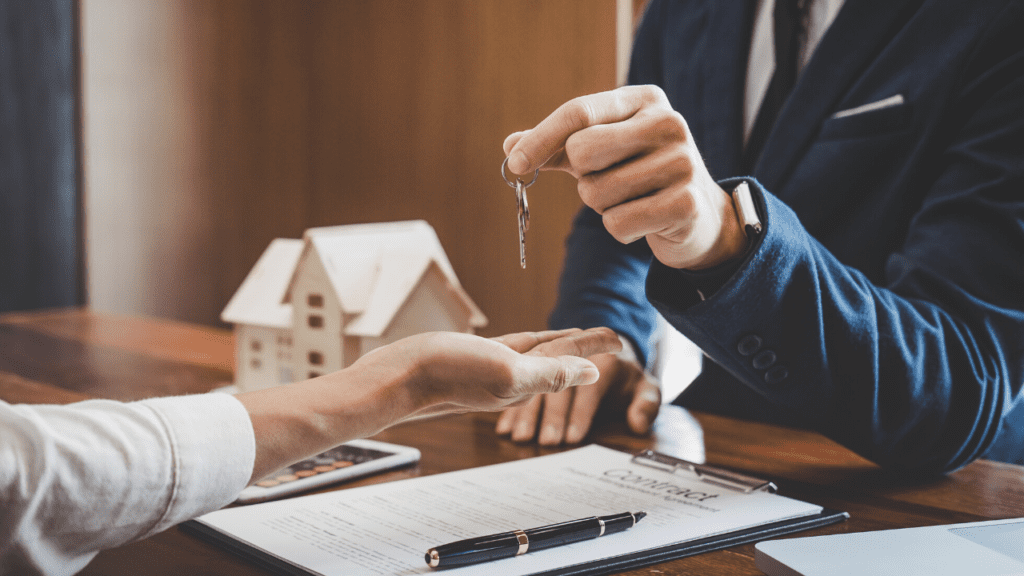
Residential properties are more than just buildings. They are communities where people live, work, and build their daily lives. Professional management is becoming more and more important as housing projects get bigger and more complicated. Property owners, investors, and residents increasingly recognize that effective management plays a critical role in maintaining property value, ensuring smooth operations, and creating a positive living environment.
Over the years, there have been big changes in the private real estate market. Modern residents expect well-maintained facilities, prompt communication, and reliable services. Meeting these expectations requires expertise, organization, and a proactive approach that professional management companies are well equipped to provide.
Maintaining Property Value Through Professional Oversight
One of the primary reasons professional management has become so important is its impact on property value. Residential properties require ongoing maintenance, inspections, and repairs to remain attractive and functional. Without proper oversight, small issues can quickly develop into costly problems.
Professional managers coordinate maintenance schedules, oversee repairs, and ensure that common areas remain in excellent condition. This careful attention to detail helps keep the property’s look and usefulness, which raises its value over time. Owners benefit from reduced risks while residents enjoy a comfortable and well-maintained environment.
Enhancing the Resident Experience
Residents today expect more than simply having a place to live. They want responsive service, clean surroundings, and a sense of community. Professional management teams serve as a central point of contact, helping address concerns efficiently and professionally.
When residents know that their requests will be handled promptly, satisfaction levels tend to increase. Management and residents can trust each other more when they can talk to each other clearly, which also helps avoid mistakes and fights. This positive relationship often leads to higher retention rates, which benefits both property owners and communities.
The principles associated with Advantage Management reflect the growing emphasis on creating organized and resident-focused communities where quality service remains a priority.
Navigating Operational Complexity
Residential properties often involve numerous operational responsibilities. These can include vendor management, budgeting, compliance requirements, lease administration, and emergency response planning. Managing these tasks effectively requires specialized knowledge and experience.
Professional property managers bring structure to these operations. They develop systems and processes that improve efficiency while ensuring that responsibilities are handled consistently. Their knowledge lets property owners focus on bigger business goals instead of getting too busy with day-to-day tasks.
As regulations continue to evolve, professional management also helps properties remain compliant with local requirements and industry standards. This reduces legal risks and provides greater peace of mind for owners.
Financial Management and Planning
Sound financial management is another critical component of successful residential property operations. Professional managers assist with budgeting, expense tracking, financial reporting, and planning for future improvements.
Accurate financial oversight helps owners make informed decisions about property investments and maintenance priorities. By monitoring expenditures and identifying opportunities for cost savings, management teams contribute to the overall financial health of the property.
Long-term planning is especially important for larger communities where infrastructure and amenities require periodic upgrades. Professional management helps ensure that resources are allocated effectively to support future growth and stability.
Supporting Community Development
Professional management does more than just keep things running smoothly. They also help build a sense of community. Organized events, clear lines of contact, and programs that get residents involved can help neighbors get along better.
People in a well-run community tend to work together more and feel like they fit more. People are more likely to be proud of where they live if they feel like they belong and trust the people who run their town.
This community-focused approach has become increasingly important as residential developments seek to differentiate themselves in competitive housing markets.
Conclusion
The importance of professional management in residential properties continues to grow as communities become more sophisticated and resident expectations evolve. From preserving property value and overseeing daily operations to improving resident satisfaction and supporting long-term financial health, professional management delivers benefits that extend throughout the entire property.
As the housing industry continues to develop, the role of experienced management professionals will remain essential. Their ability to balance operational efficiency, financial responsibility, and resident needs helps create stronger, more successful residential communities for everyone involved.