Housivo

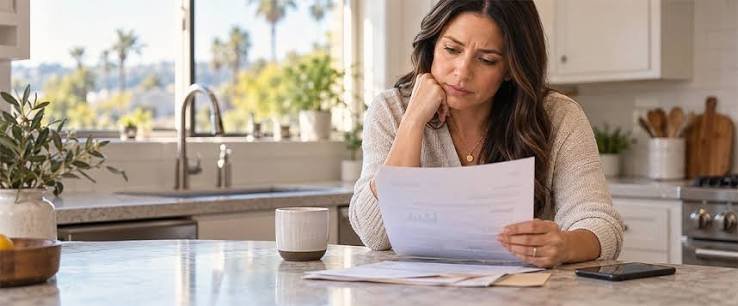
Your water bill arrives, you open it and the amount is much higher than usual.
But nothing seems to have changed. You’re still taking the same showers, washing the same number of clothes and using water as you normally would.
So where is all that extra water going?
A higher water bill doesn’t always mean there’s a plumbing problem. Sometimes it’s due to seasonal water use, a longer billing period or a change in water charges. But it can also be an early sign of a leak somewhere around your property.
Before you assume the worst, here are six things worth checking.
1. Check Whether Your Household Is Using More Water
The simplest explanation is often the easiest to overlook.
Have you been watering the garden more often? Had visitors staying over? Used the washing machine more frequently than usual?
Even small changes in your routine can add up over several weeks.
During Melbourne’s warmer months, outdoor water use can increase, particularly if you’re watering lawns, washing cars or filling a pool.
How can you tell if you’re using more water than usual?
Compare your current bill with previous bills and look at the actual water consumption, not just the total amount charged.
Check whether the billing period is the same length and whether the reading was actual or estimated.
If your water use has increased but you can’t explain why, it’s worth checking for leaks.
2. Look for a Toilet That Keeps Running
A running toilet is one of the easiest plumbing problems to miss.
You flush, walk away and everything seems normal. But if the cistern doesn’t seal properly, water may continue flowing into the bowl long after you’ve finished.
Sometimes you’ll hear it running. Other times, the leak is almost silent.
Can a running toilet increase your water bill?
Yes. A toilet that continuously leaks into the bowl can waste water throughout the day, even when nobody is using it.
A worn seal, faulty inlet valve or problem with the flushing mechanism may be responsible.
One simple check is to listen after flushing. If the cistern keeps refilling or you notice water moving into the bowl when the toilet hasn’t been used, arrange an inspection.
For homeowners in Melbourne’s west, a plumber in St Albans can help investigate running toilets, leaking taps and other plumbing problems.
3. Check Your Taps and Outdoor Connections
A dripping kitchen tap is usually easy to notice. A leaking outdoor tap behind the garden shed? Not so much.
Outdoor taps, hose connections and irrigation fittings can develop leaks that go unnoticed for weeks.
Inside the house, water may also escape around tap bases, under sinks or through loose plumbing connections.
Where should you look for hidden tap leaks?
Start with the areas you use regularly.
Check beneath kitchen and bathroom sinks for damp patches, look around tap fittings for moisture and inspect outdoor taps when they’re turned off.
If you notice water collecting around a connection, don’t ignore it because the tap still works.
A small leak can waste water and may eventually damage nearby materials.
4. Watch for Leaks Behind Walls or Under Floors
Not every water leak leaves a puddle on the floor.
Some develop inside walls, beneath flooring or around concealed pipework. You might only notice the problem after moisture has started affecting the surrounding surfaces.
Common warning signs include peeling paint, damp patches, musty smells and unexplained changes in water pressure.
How do you know if a pipe is leaking underground?
An underground leak may cause unusually damp areas, unexplained water usage or a noticeable drop in water pressure.
However, these symptoms can have other causes, so it’s important not to assume there’s a broken pipe without investigating.
If you suspect a concealed leak, professional plumbing assistance can help identify the source.
Homeowners experiencing unexplained water usage can contact SJS Plumbing for water leak detection and general plumbing repairs across Melbourne’s western suburbs.
Finding the cause early may help limit further water waste and property damage.
5. Check Your Hot Water System
Your hot water system might be another place to investigate.
Water leaking from a hot water unit, pipe connection or faulty valve can sometimes go unnoticed, especially if the system is installed outdoors or in an area you rarely visit.
You might notice damp ground around the unit, visible dripping or a change in hot water performance.
Can a leaking hot water system affect your water bill?
Yes. A hot water system that is losing water can contribute to increased consumption.
Some discharge from certain valves may be normal, depending on the system. However, continuous or excessive leaking should be checked by a qualified professional.
If your system is also producing inconsistent temperatures or struggling to heat water, there may be another fault that needs attention.
Professional hot water system repairs can help identify the cause and determine whether the system can be repaired.
Avoid attempting repairs to gas, electrical or pressurised hot water components yourself.
6. Use Your Water Meter to Check for Possible Leaks
If your water bill has increased and you can’t find an obvious explanation, your water meter can provide another useful clue.
A simple meter check may help you identify whether water is flowing when nobody is intentionally using it.
How do you check for a water leak using your meter?
First, turn off all taps and water-using appliances around the property. Make sure the washing machine, dishwasher and irrigation system aren’t running.
Take a reading from your water meter and avoid using water for a short period.
Then check the meter again.
If the reading has changed, water may still be flowing somewhere on the property. However, this test alone won’t tell you where the water is going or confirm the cause.
If the result is unexpected, contact your water provider or a licensed plumber for further advice.
What Should You Do If You Find a Water Leak?
The next step depends on where the leak is and how much water is escaping.
A dripping tap may allow time to book a standard repair appointment. A burst pipe or major leak needs more immediate attention.
If water is escaping quickly, turn off the main water supply if it’s safe to do so.
Keep clear of electrical hazards and contact a licensed plumber to inspect the problem.
For homeowners needing a plumber in Caroline Springs, SJS Plumbing provides assistance with leaking pipes, water pressure problems and general plumbing repairs.
The sooner the cause is identified, the easier it may be to prevent further water waste and damage.
Can Regular Plumbing Checks Help Reduce Water Waste?
Regular checks can help you notice problems before they become expensive.
You don’t need specialist equipment to spot some of the most common warning signs.
Every few weeks, take a moment to check beneath sinks, listen for running toilets, inspect outdoor taps and look for visible leaks around your hot water system.
It’s also worth comparing your water consumption from one billing period to the next.
If something changes unexpectedly, investigate rather than waiting for another high bill.
Don’t Ignore an Unexplained Increase in Your Water Bill
A higher water bill doesn’t automatically mean there’s a serious plumbing problem. It could be a change in household habits, seasonal water use or a billing adjustment.
But if your water consumption has increased without an obvious reason, it’s worth checking.
A running toilet, dripping outdoor tap or concealed pipe leak can waste water without causing an immediate disruption to your daily routine.
For homeowners across Melbourne’s western suburbs, SJS Plumbing provides plumbing repairs, water leak detection and maintenance services backed by more than 20 years of experience.
Taking a little time to investigate an unexpected water bill could help you identify a plumbing problem before it becomes a much bigger expense.