
One of the most crucial choices in any building job is choosing the appropriate equipment. The effectiveness of your site operations, overall timetables, and even project prices relies greatly on employing the suitable earthmoving equipment. Whether you are prepping land for a new project, excavating foundations, or hauling big items, dealing with a reputable dealer like Torgersons can make the process a lot simpler and more dependable.
Comprehending Your Project Requirements
You must have a clear idea of the scope of your project before selecting any equipment. Are you managing a home project, a commercial development, or a huge infrastructure job? Smaller projects may just need small equipment like skid steers or micro excavators, whereas bigger sites frequently necessitate full-size excavators, wheel loaders, or bulldozers.
Soil conditions also have a vital effect. Soft, muddy ground demands different traction and weight distribution compared to stony or compacted dirt. By examining ground conditions early, contractors may prevent expensive delays caused by machinery that is not suited to the terrain. This is where expert advice on Torgersons construction equipment becomes useful, as specialists can match machines to particular site conditions.
Excavators: The Core Of Earthmoving
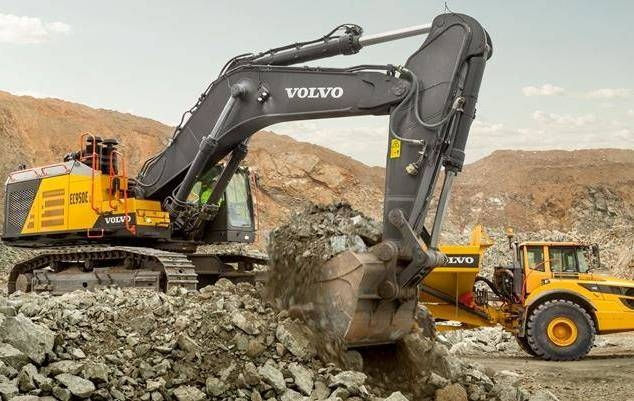
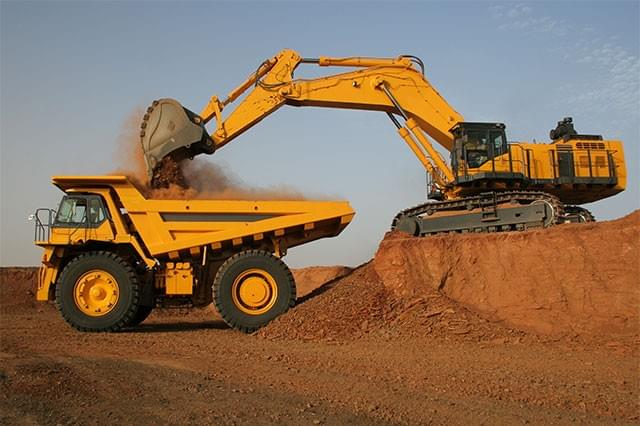
Excavators are generally the backbone of earthmoving operations. They manage digging, trenching, lifting, and even demolition with the correct attachments. When choosing an excavator, consider digging depth, lifting capability, and machine size. A bigger excavator gives greater power, but it may not be practicable in compact locations.
Compact excavators are suited for urban projects or residential areas where mobility is restricted. On the other hand, huge tracked excavators offer the strength required for heavy-duty activities like deep foundation construction or extensive field clearance. Choosing from a vast inventory of Torgerson’s construction equipment means you have access to machines that balance power and efficiency.
Loaders For Material Handling
Wheel loaders and skid steers are crucial for transporting dirt, gravel, garbage, and other materials around the project. Wheel loaders are better suited for large-scale activities because of their larger load capacity and speed. Skid steers, with their compact shape and attachment adaptability, thrive in smaller or more constrained spaces.
Attachment options, such as buckets, forks, and grapples, increase the usefulness of these devices. Contractors may utilize a single loader with interchangeable tools rather than purchasing many specialized machines. This adaptability lowers equipment costs while boosting on-site productivity.
Bulldozers To Prepare The Site
Bulldozers are constructed for moving massive amounts of earth, leveling terrain, and clearing land. Blade type, machine weight, and horsepower are crucial aspects to consider. A heavier dozer offers superior stability and pushing power, making it excellent for tough terrain. Conversely, smaller dozers provide more control for precise work and final grading.
Proper sizing is vital. A big dozer may be difficult to manage and burn more fuel than required, while an undersized device may struggle to undertake demanding duties. Dealer assistance helps contractors pick equipment that corresponds with project goals without overpaying.
Considering Efficiency And Operating Costs
Beyond performance, running expenses must be part of the decision-making process. Long-term costs are influenced by durability, maintenance needs, and fuel economy. Modern earthmoving equipment generally features innovative engine technology and telematics systems that monitor performance and fuel usage.
Reliable dealers supply machinery intended to prevent downtime and simplify maintenance. Access to parts, service, and technical support guarantees that small faults do not escalate into severe project delays. Investing effectively in Torgerson’s construction equipment entails concentrating not just on upfront pricing but also on lifespan value.
Matching Equipment To Operator Skill
Without competent operators, even the greatest equipment cannot function effectively. When choosing equipment, contractors should take their crew’s level of expertise into account. Machines with user-friendly controls, high visibility, and improved safety measures enable workers operate more confidently and productively.
Dealer advice and training materials may further enhance equipment use. When operators understand equipment capabilities and limits, productivity rises, and the likelihood of accidents reduces.
Conclusion
Choosing the correct earthmoving equipment is a strategic move that influences every aspect of construction. Contractors may create a fleet that offers performance and dependability by carefully assessing project requirements, site circumstances, equipment capabilities, and operating costs. Working with an established dealer offers access to excellent equipment, experienced guidance, and continuing support. The appropriate equipment not just moves earth—it pushes your whole project toward success.