
Emergencies do not send warnings before they happen. A child can choke during dinner, a student can faint in a classroom, or a colleague can suddenly collapse at work. In these first critical moments, the people nearby often become the first line of help. This is why parents, teachers, and office workers all need the same essential first aid skills. Their environments may differ, but the risks they face and the responsibility to act quickly are surprisingly similar.
Emergencies Happen Where People Gather
Homes, schools, and offices are all places where groups of people spend long hours together. In homes, parents manage everything from minor cuts to more serious issues like allergic reactions or breathing problems. In schools, teachers supervise dozens of children who may be running, playing, or participating in physical activities that can lead to injuries. Offices may seem safer, but medical emergencies like heart attacks, slips, or sudden health complications can happen there, too.
Because of this, learning from structured first aid courses in Townsville gives individuals the practical knowledge needed to respond calmly and correctly. These courses focus on real-life situations rather than rare medical events, which makes the training useful across all these settings.

The First Few Minutes Matter Most
Medical professionals often say that the first five minutes of an emergency are crucial. Before paramedics arrive, the actions taken by a parent, teacher, or coworker can make a huge difference. Knowing how to check breathing, control bleeding, or place someone in a safe position can prevent a situation from becoming worse.
For example, if someone’s heart stops, immediate CPR can double or even triple survival chances. That is why completing a Townsville CPR course is not just for healthcare workers. It is a skill that empowers ordinary people to step in during life-threatening situations. The ability to perform chest compressions properly and confidently can save a life at home, in a classroom, or in a meeting room.
Children and Adults Share Similar Risks
Many people think first aid for children is very different from first aid for adults. While there are some differences, many core skills are the same. Choking, falls, burns, and breathing difficulties can happen at any age. Parents deal with these risks at home, teachers see them on playgrounds, and office workers might witness them in break rooms or stairwells.
Training such as a cpr course townsville covers how to recognize danger signs early. This includes spotting when someone is not breathing normally, showing signs of shock, or losing consciousness. Early recognition often leads to faster action and better outcomes.
Confidence Reduces Panic
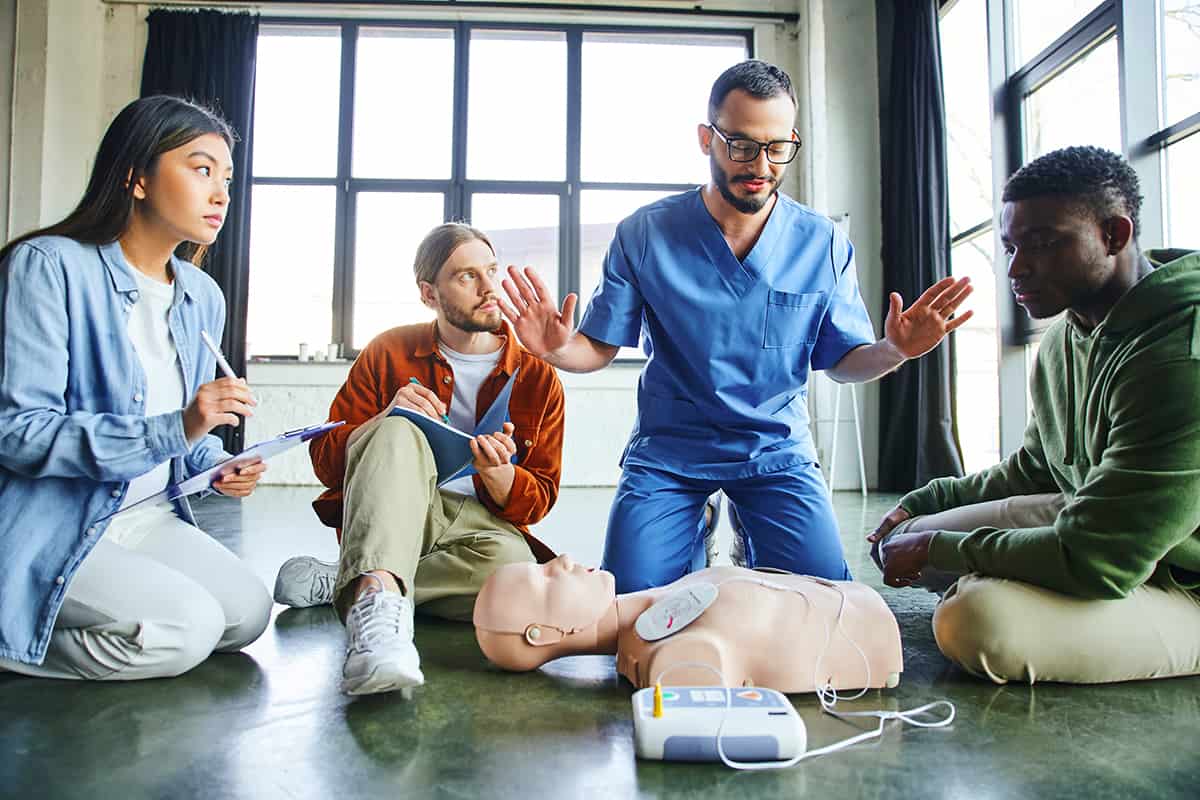
One of the biggest barriers in emergencies is panic. People freeze because they are afraid of doing something wrong. First aid training replaces fear with structured steps; instead of guessing, trained individuals know exactly what to check first, what to do next, and when to call for professional help.
This confidence is just as important in a busy classroom as it is in a crowded office or a family home. When one person takes calm control, others follow instructions more easily, which creates a safer environment for everyone involved.
Building Safer Communities
When parents, teachers, and office workers all share basic first aid knowledge, the entire community becomes safer. Emergencies can happen anywhere, but if more people are prepared, help is always close by. This shared responsibility creates a network of capable responders, not just bystanders.
First aid skills are not tied to job titles. They are life skills. Whether guiding children, supporting coworkers, or caring for family, the ability to respond quickly and correctly is something everyone should have.